
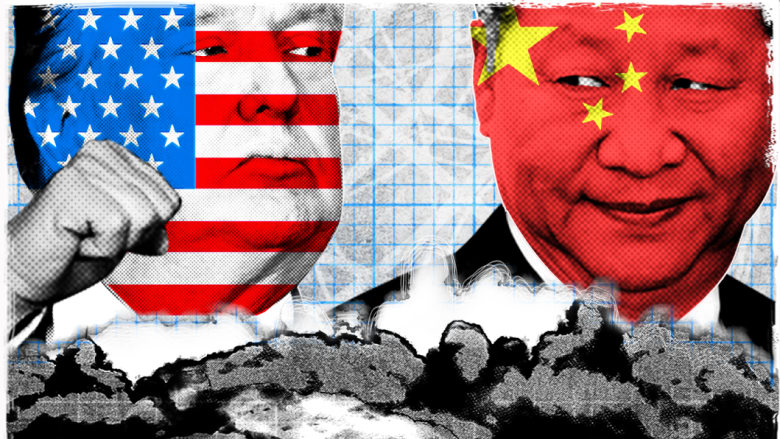
What does the trade war between the U.S and China mean for Bangladesh?
After the Trump administration imposed a 25% tariff on Chinese imports, many U.S brands have been shifting their focus to Bangladesh for sourcing ready-made-garments. American retailers are queueing up at factories in Bangladesh amid the U.S-China trade war. Manufacturers and buyers alike say that the trade war will continue to intensify this shift.
The observation has proved true here at Sourcetrek, having experienced an increase in work orders from U.S based clients, and more interest from American prospects.
Bangladesh has also been benefitting in the purchase of cotton as prices decreased 1o% after China imposed high duty on the import of the natural fibre from the U.S. China imports $1 billion worth of cotton from the U.S in a year.
The Trump administration is poised to impose an additional 10% tarriff on a further $200 billion worth of Chinese goods – roughly half the total U.S import from the country. As a matter of fact, the U.S imported Chinese goods worth $500 billion last year, meaning Trump still has ammunition amounting to almost $300 billion.
According to an April study by Pew Research Centre, clothes and shoes manufactured in Bangladesh are subjected to comparatively higher rates of U.S taxes—the main exception to a common American practice of imposing low tariffs on large volume imports. As tariffs on Chinese clothing would escalate price, the U.S may also lower existing tariffs on imports of clothing from Bangladesh, allowing for even cheaper manufacturing costs than currently available. While this is not confirmed, there’s a good case as to why American administration should do so.